The 3D Innovation and Food Effects in Productions
Detsa —đơn vị tiên phong ứng dụng công nghệ in 3D tại Việt Nam—đã đồng hành cùng nhiều doanh nghiệp trong việc triển khai các giải pháp in 3D từ mẫu thử đến sản xuất nhỏ, giúp khách hàng thúc đẩy quy trình phát triển sản phẩm một cách hiệu quả.
In 3D FDD Soft Solutions for Production and Education
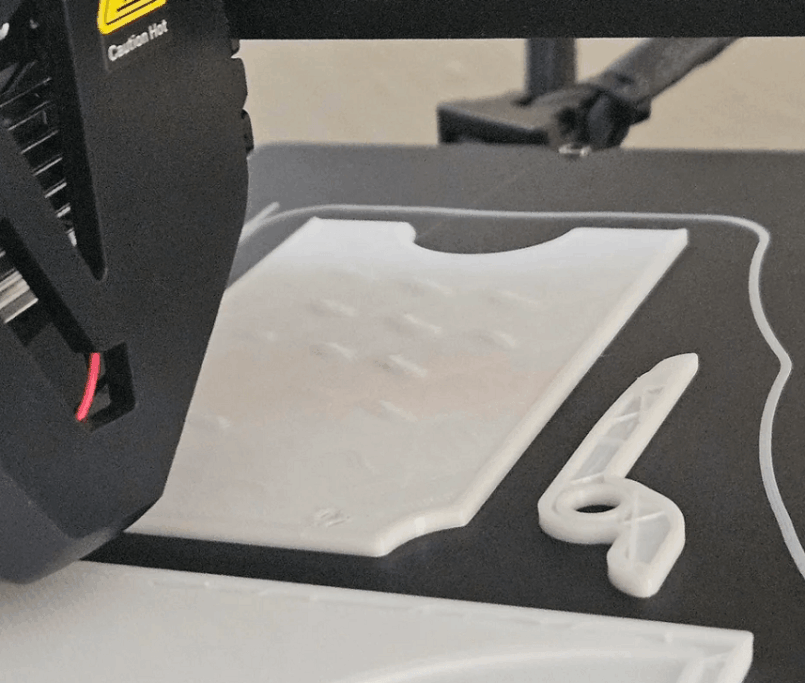
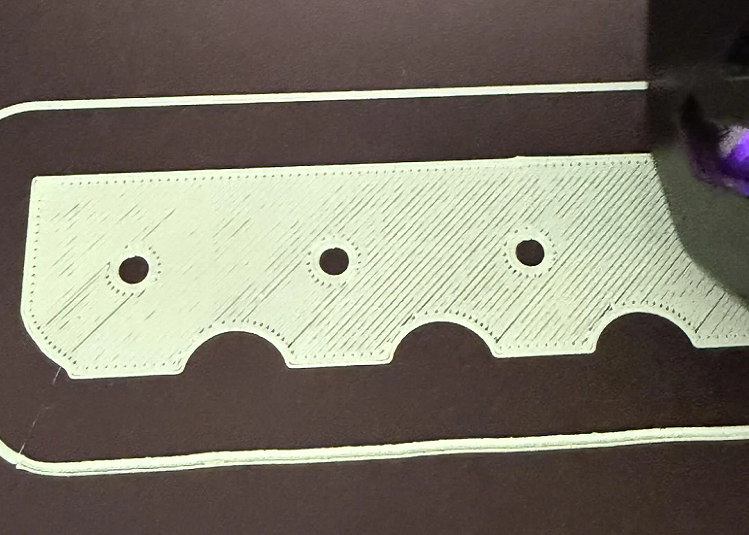
One of the most popular 3D printing technologies now is FMMD Fused Deposition Model, often used in education, model design and fast production. FMD operates by heating the plastic fiber and forces each layer of molten material to the surface, create the complete object according to the 3D number model.
This technology is distinguished by simplicity, low economic costs and easy to operate, consistent with the new starter and application in creative projects, production of mockup or consumer products that require mechanics not too high.
High Top SLA Technology of surface quality
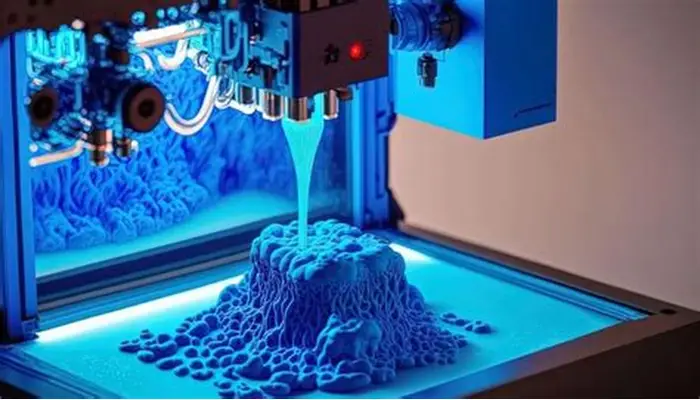
Unlike FDM, in 3D SLA Stereolithography UV laser hits liquid resin To harden each layer of material. Since the use of molten materials is not available, SLA products usually have a higher surface smoothness and more sharp detail, suitable for applications such as stereotypes, small components with complex details, or products that need a complete exterior immediately after printing.
Detsa was one of the first units to take the senior SLA into many field of real production in Vietnam, where 3D print products could be used directly in the production process without the necessary post-complicating complex post-production.
SLS Free Design Technology with plastic powder
While SLA uses liquid plastic, Selective Laser Sittering SLS again plastic or NBA And the laser to burn the material to form desire. SLS's biggest advantage is that there is no need for support structures in many cases, making it easier to print models with more complex structures.
The technology is increasingly widely applied in the production of mechanical details, spare parts that require persistent structure and high mechanics where surface smoothness is not the leading determining factor but strict requirements for materials and design.
What is Scan 3D?
Scan 3D It's the process of collecting the physical object's geometric data using a specialized scan and re-created as a three-dimensional model on the computer. The output results usually are CAD files or popular 3D formats serving design, analysis, testing, or production.
In Detsa's service, 3D scan described as a scan service with high accuracy, support reverse design and technical inspection for machine products and details.
Scan 3D is the process of using scanners to Retrieve shape data and size of an object in three-dimensional spaceThen turn this data into 3D model on computerYeah. The scan process helps digitalize the actual object, allowing for observation, measurements and data processing to be more accurate than the manual method.
In 3D scans, scans will record numerous points on the object surface. Gathering these points constitutes geometric data that accurately represents the shape of the object. Data after scanning can be processed to create the complete 3D model, service for design, technical inspection or storage.
The 3D scan type does not change the original object shape and allows for quick data collection, even with complex shape details. As a result, the 3D scan became an effective method of conversion from physical objects to digital data.
In 3D Metal Switch for Modern Industry
One of the most breakthroughs of 3D printing is print ability Metal departments with SLM Technology Selective Laser MeltingYeah. Unlike plastic printing methods, SLM uses High-powered laser to completely melt metal powder, creating solid objects with superior accuracy and mechanical features.
This technology opens up new possibilities for manufacturing, especially in areas such as cars, airlines and medical care, where parts have complex structures and require high mechanics. Instead of traditional production, 3D printing metal parts can help reduce weight, increase performance, and allow higher customization design.
Expand Material Limit
Along with the development of technology, the 3D printing material catalog is increasingly expanding from traditional plastics such as PLA, ABS to epoxy plastic, NBA and other genres, even Metal, pottery and biomaterialsYeah. Detsa and many technology partners are constantly studying and applying these materials to expand 3D printing applications in production and research.
Dealing post-productive final quality decision
An equally important factor in 3D printing is postprocessing postprocessionYeah. After a model is printed fully, the product usually needs to be Cleaning, removing material, sharpening or handling heat to achieve the desired shape and features. These steps play a vital role in raising the product's complete quality and sustainability, especially in industrial applications or high-end consumer goods.
The Future of 3D Printing and Smart Producing
Despite great progress, 3D printing continued to develop with new technologies, new materials and more automated processes. The 3D print integration with digital design solutions, simulations and quality tests are driving intelligent production to a new level. More and more application businesses print 3D not only for modeling but also for production of complete parts for commercial products, marked a major step forward in the modern manufacturing revolution.
Conclusion
The 3D printing technologies from the FDM, SLA, SLS to the SLM of Metal represented key steps in the digital manufacturing industry. Each method has its own advantage and is consistent with specific applications. Understanding the strengths and practical applications of each technology will enable businesses and users to choose the appropriate 3D printing method, from which will enhance production efficiency and create quality products with optimum costs.