Learning the 3D Printing Machine and the Medical Effects
1. What is a 3D printer in medicine?
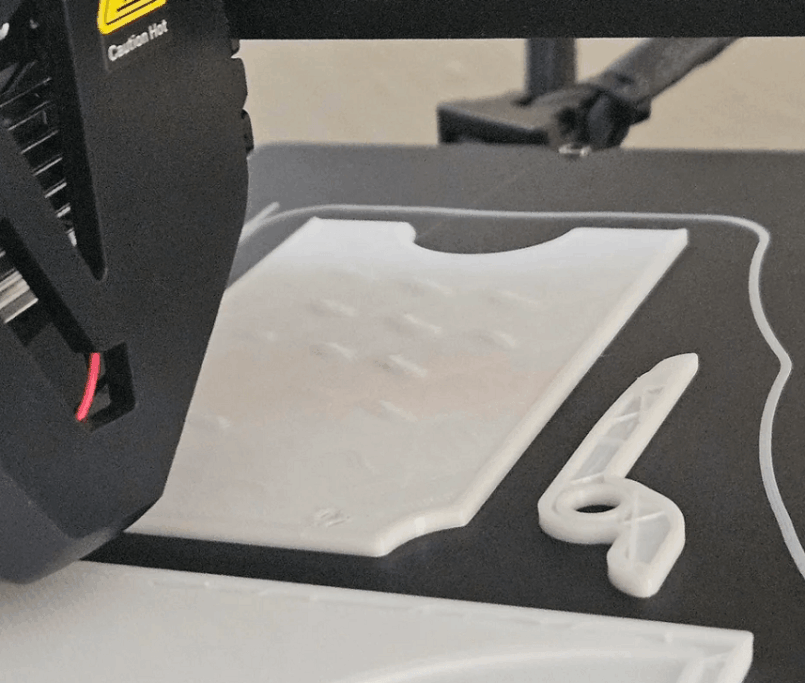
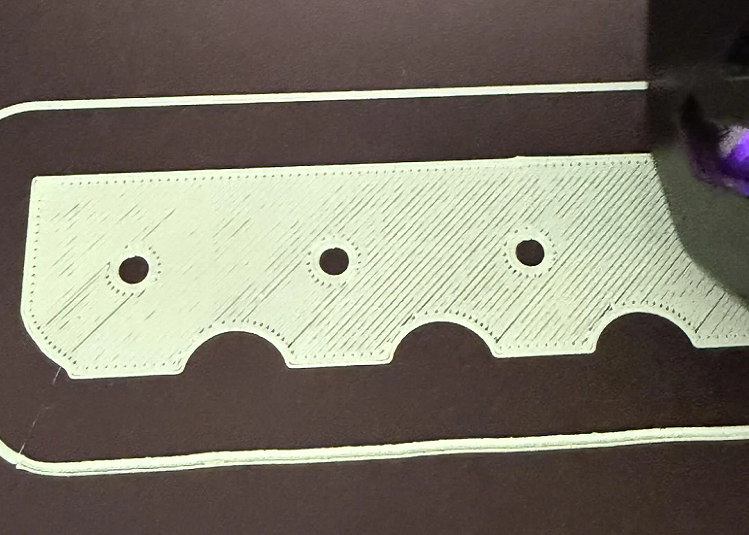
The 3D printer additive manufuctuation is a real object-building device by stacking materials One by one. Based on the digital model. In medicine, this allows for the creation of complex products with accurate form that fit the patient's body structure.
2. Active Principles
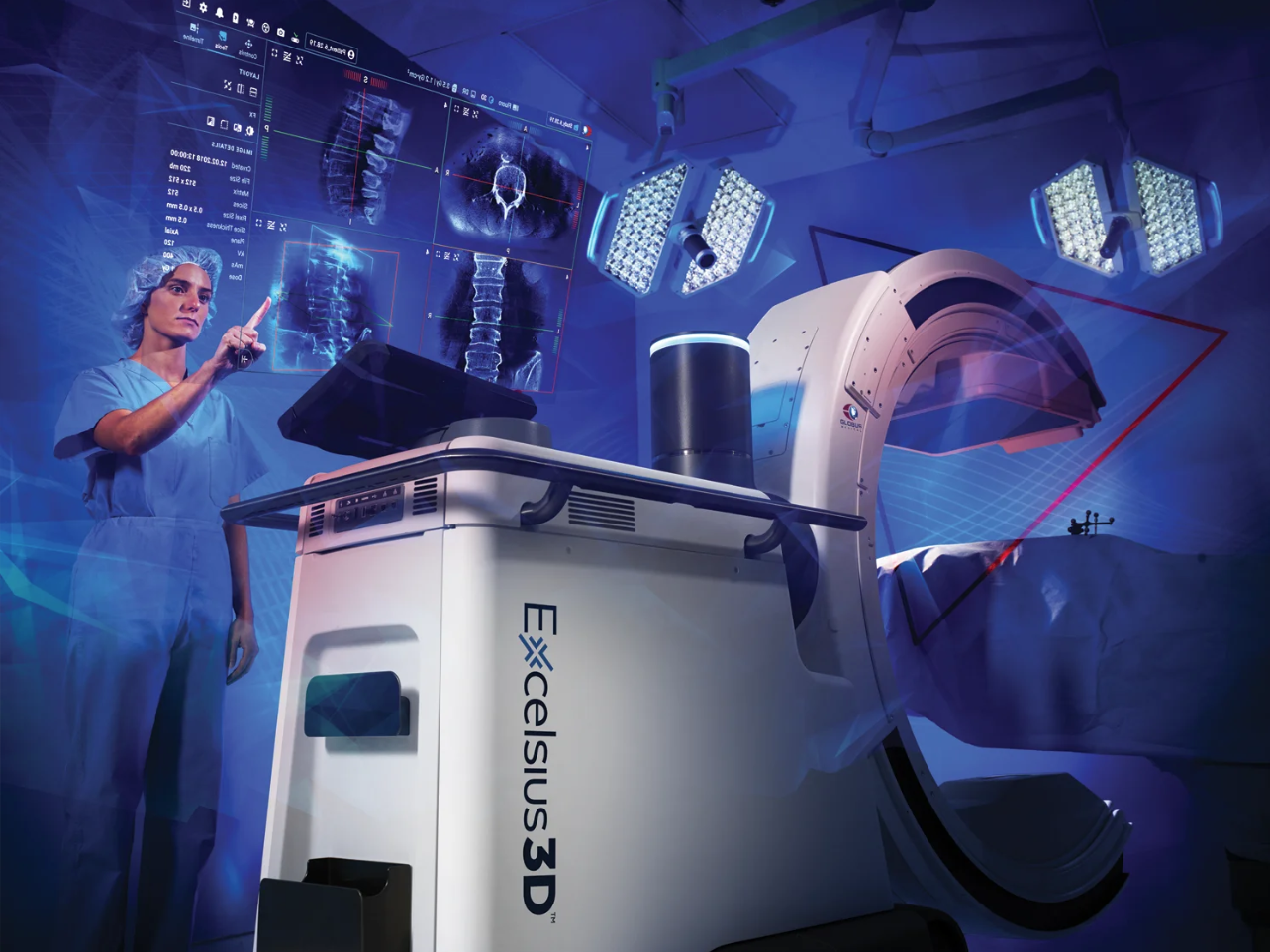
The 3D printing process begins from medical image data such as CT, MRI or CAD design. The software divides the model into multiple thin cuts, then the printer builds the object by placing the material layer by layer in order from the bottom up. This method optimum for difficult forms produced by tradition.
Three. Materials Used in Medicine
Not all materials fit the biomedical applications; typically there are:
Medicare: Used for surgical models, surgical instruments, or non-septemin support.
Medical metal The Titan, for example, stainless steel: selected for the implant due to high mechanical durability and high compatible capabilities.
Gel Biogege: is the background to support living cells in tissue research.
Four. Practical Applications in Health
The exact model of surgery
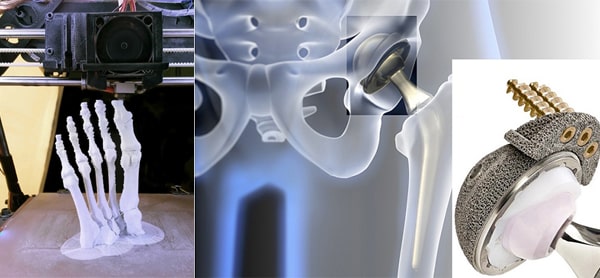
From the biomodulation data, 3D printing creates real body models that help: doctors see pre-op visuals, plan for a more accurate operation, and also explain to patients easier to understand.
– Personalized Medical Device
3D Printing allows production individualize every patient., such as: Orthopedics, shape-shifting soles, rehabilitation equipment, increases comfort and treatment efficiency
Implant and implants
Bone parts, artificial joints, or bone-general support structures can be printed in individual sizes, reduce complications, and improve post-surgery adaptation.
Custom surgical instruments
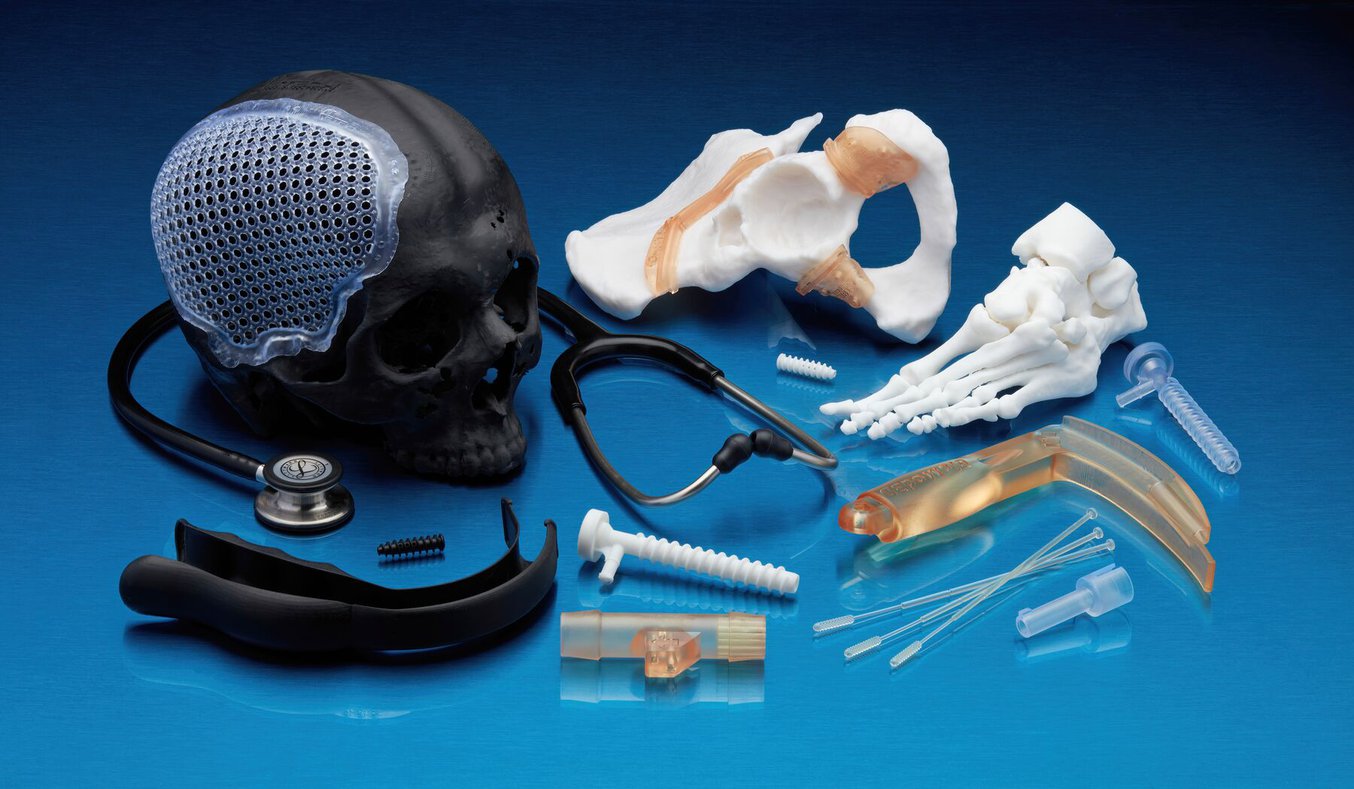
Special surgical tools are printed to match each operation, helping shorten the operation time and increase accuracy.
Education and Research
The 3D model used in: Training medical students, simulcating surgery, clinical research... which enhances academic performance and medical development
With DETSA, 3D printing in the medical profession is not considered as a complete alternative technology of traditional manufacturing methods, but as a technical solution to be applied in the right contextYeah. Prior to each project, DETSA carefully assessed the target use, requiring medical safety, material properties, and practical operating conditions. The identification of the role of 3D printing from the beginning helps control the risk, optimize the cost and ensure the product meets the technical requirements when putting into the application
Through the obvious technical and practical approach, DETSA Supporting medical and business units exploits 3D printing technology in design, modeling and producing medical equipment, contributing to the boosting of accuracy, personalization and effectiveness in diagnostic, treatment and medical research.