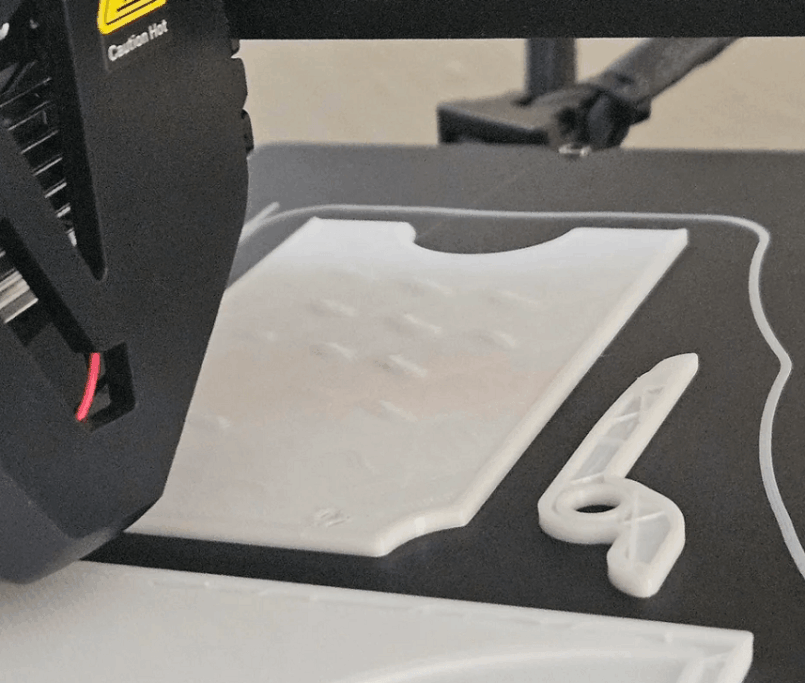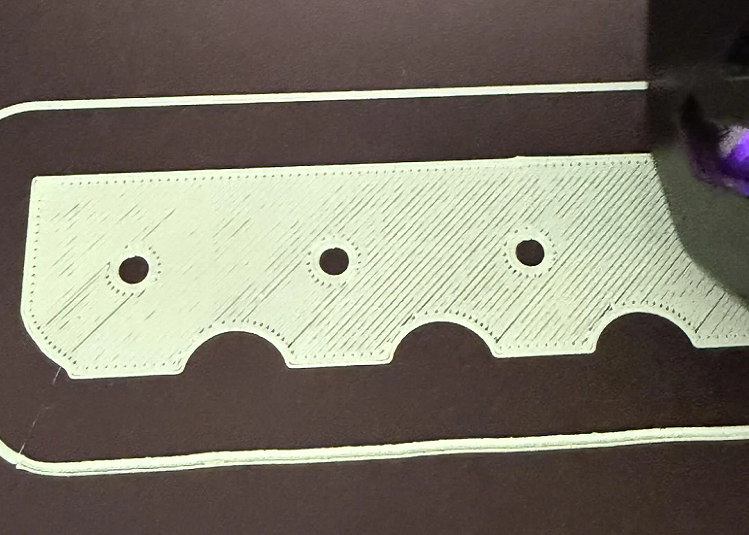
Why did you invest in 3D But it didn't work?
You invest in 3D in trends, unknown target
One of the most common reasons why 3D printing doesn't work is that you invest the machine when you don't know what to do with it. The purchase of machines often stems from market trends, from media information or from seeing many other units have been deployed.
When there is no specific goal, 3D printing is often used only to test simple visual details. These products are not directly attached to real needs, which do not help solve technical problems or specific productions. As a result, after the technology experience, 3D printers were gradually less used.
In 3D really gives value only when you define its role, such as support for prototypes, design testing, product improvement, or small volume production.
You expect 3D printing to replace all traditional methods
Many investors in 3D with the expectation that this technology could replace the traditional industrial methods entirely. When a sense of cost, time, or quality is inappropriate for every situation, feelings of disappointment are inevitable.
In fact, 3D printing is not an almighty solution. This technology is most effective at specific stages in the development of products, especially the experimental phase and design improvements. With products needing mass production or demanding high accuracy according to strict industrial norms, traditional methods still play a significant role.
The setting of false expectations makes 3D printing undervalued, while the problem is in use rather than in technology itself.
The total cost of 3D printing is not properly assessed
Another mistake was to look at the price of the 3D printer that ignored the relevant costs in the process. In addition to the initial investment costs, 3D printing includes the cost of materials, maintenance, operating time, post-retired processing and personnel.
When these costs are not fully calculated, the economic effects of 3D printing are easily misunderstood. There are cases of 3D printing costs for a single product as valid, but if repeated with large quantities, the total cost is higher than other methods.
The correct rating of the cost helps you determine when to use 3D printing and when to choose a different solution.
You haven't printed 3D with the actual problem
Another mistake is that you use 3D printing in a fragmentary, not attached to specific goals such as reducing product development time, optimizing experimental costs or improving sample quality. When you don't have a clear rating criteria, it's hard to realize the real effect that 3D printing has.
In 3D needs to be considered part of the overall solution, instead of an independent technology.
The approach makes 3D printing more effective
To print 3D brings real value, you need to identify the target use, the appropriate solution choice and integrate this technology into the work process. In many cases, combining the 3D print service, measuring and technical advice will help you to take advantage of technology without having to invest.
This approach reduces risk, saves costs, and ensures 3D printing in the right time, in the right place.
DETSA accompanied you in the 3D printing process
DESTA supports you access and exploits 3D printing in a practical way, focusing on specific needs rather than following trends. Through solutions counseling, modeling support and design assessment, you can better understand when to use 3D printing and how to integrate this technology into the product development process.
This approach helps you to take advantage of 3D printing and to avoid common mistakes that lead many to invest but not exploit effectively.
In 3D printing is really effective only when used properly during product development.
DETSA is willing to assist you in choosing solutions that are suitable for practical needs.