Quá Trình Ép Đùn Bị Dừng Giữa Chừng | Lỗi Máy In 3D FDM
In the process of operating the 3D technology FMD printer, the system forcing the obitus extrusion system played a decisive role in the quality of print. When the melting plastic flow is pushed through the tip of the spray, each layer of material will be stacked correctly to create the complete pattern. However, one of the most serious and common errors is the process of forcing the kimono to be stopped between, making the print unsuccessful even though the machine continued to operate.
This error often cost the user hours of printing and spending materials, especially when appearing in large-sized prints. Understanding the cause and mechanisms of the error will help you to deal with it thoroughly rather than temporarily.
What's the phenomenon of the process that's been stopped?
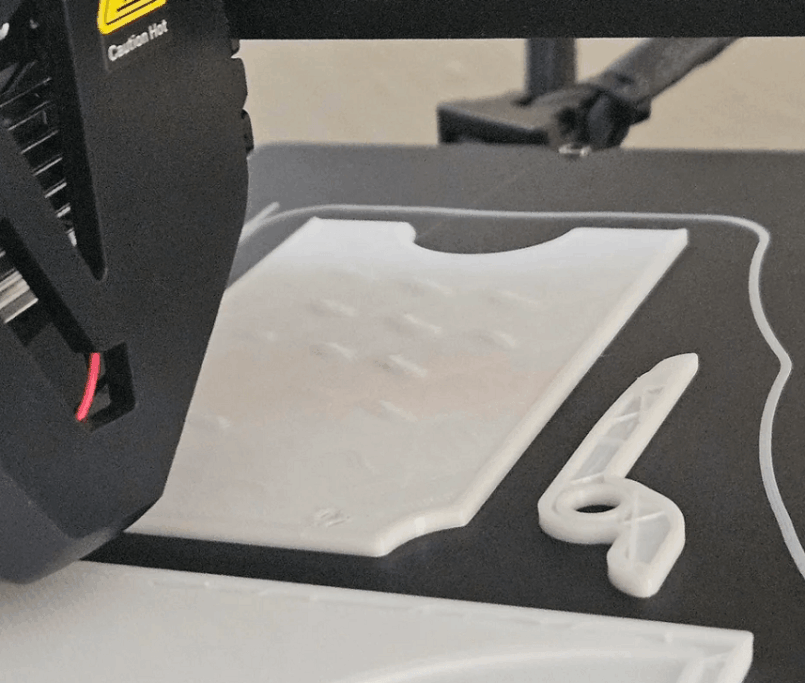
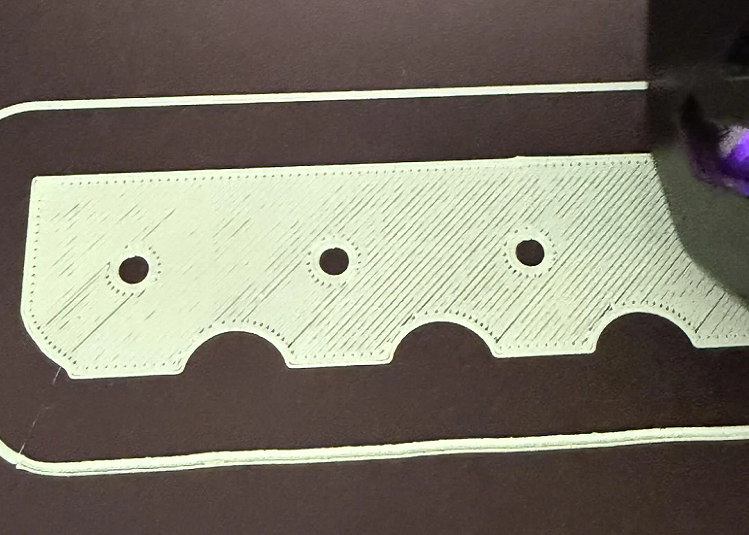
When this error occurred, the printer still moved in the right orbit of the Gcode file but the plastic was no longer out of the spray. You can see that the upper part of the model is not created, that the thin layer is unusual or that there are empty areas between the layeres.
In many cases, extruder emits a small saxophone due to gear slipped on filament. This is a clear indication that the Zombrex system is facing large or unable to provide material down to hotend.
This phenomenon is often mistaken for the slight subtrusion error, but the more serious reality is that the plastic line can stop completely.
The common cause of the 3D printing press is not mediumd
1. Stopping the Top Cause
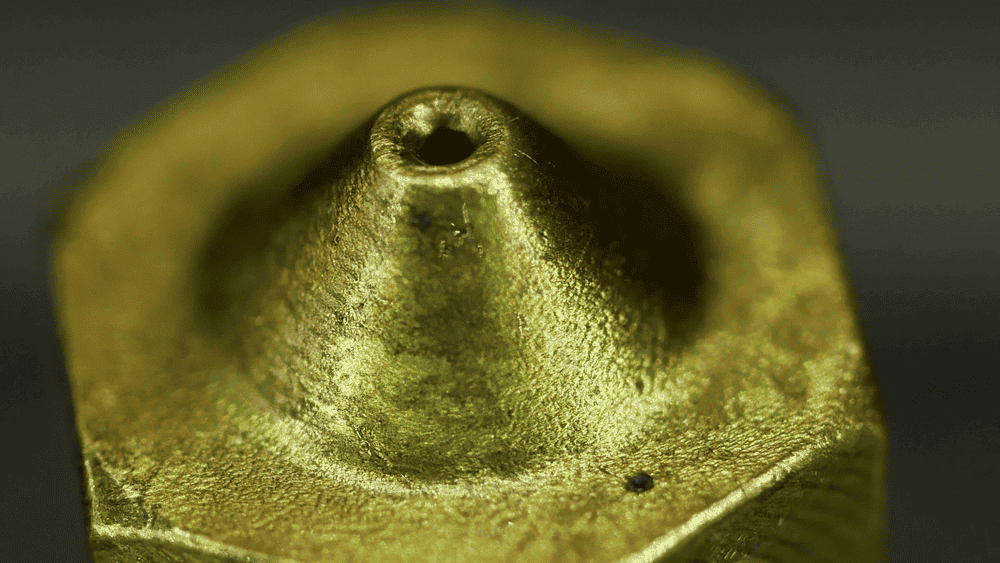

The tip of the spray is the most common cause of the process of forcing the kimono to be stopped in the middle. When the plastic cannot flow through the nostalgia hole, the pressure in hotend increases and eventually cuts the flow.
The embargo can be derived from the poor use of filament, which contains complexes or dirt. In addition, changing the printing material without sanitation of the spray also causes the old plastic to get carbonized and cling to the city in nodg.
When you point to a slight switch, you will find the printing class lacking in parts. But if we don't deal with it in time, the plastic line will stop completely.
The solution includes cleaning nods with the method of cold pull, increasing the print temperature to improve the flow and replacing the spray head if it has been worn for long periods.
2. Extruder skates or weak pull force

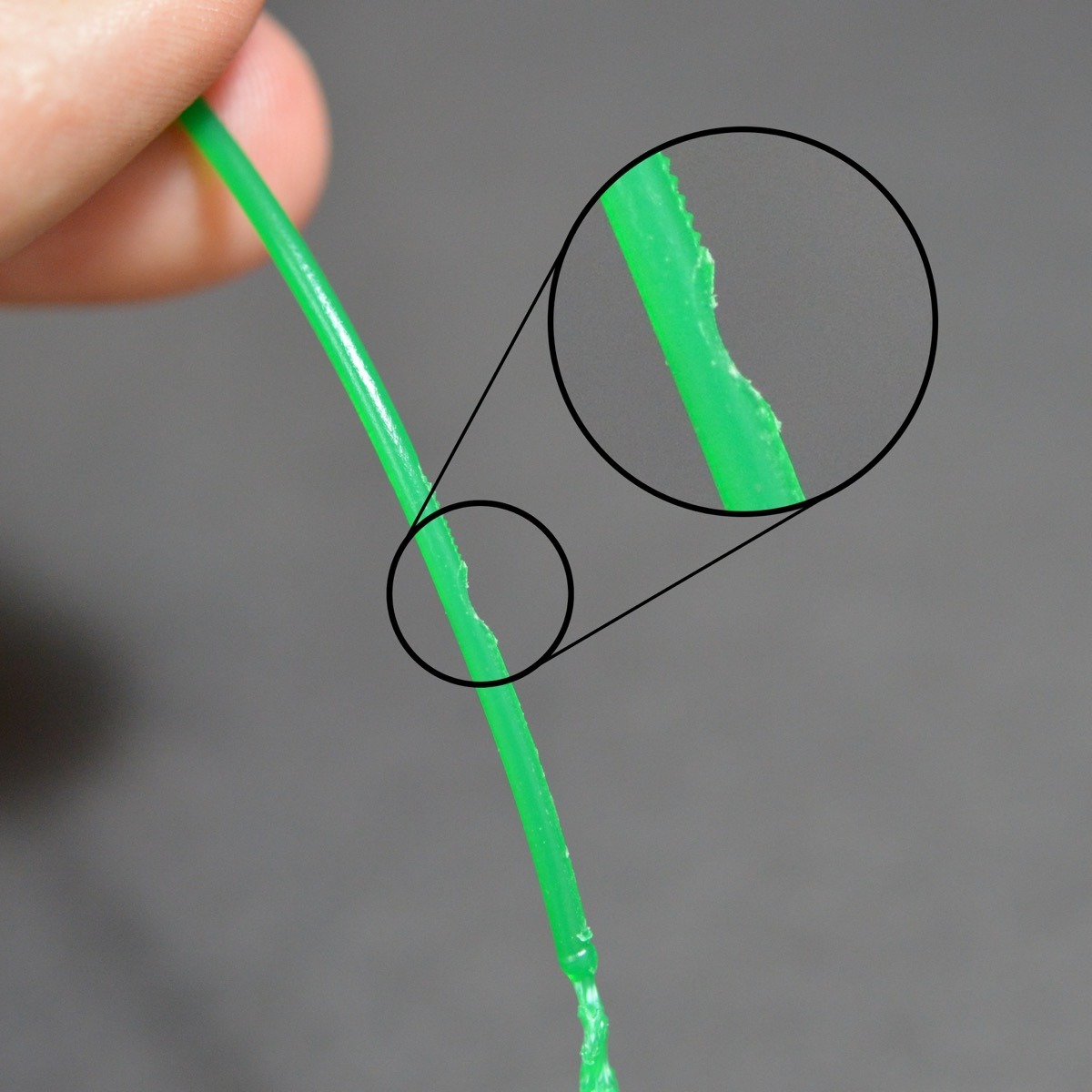
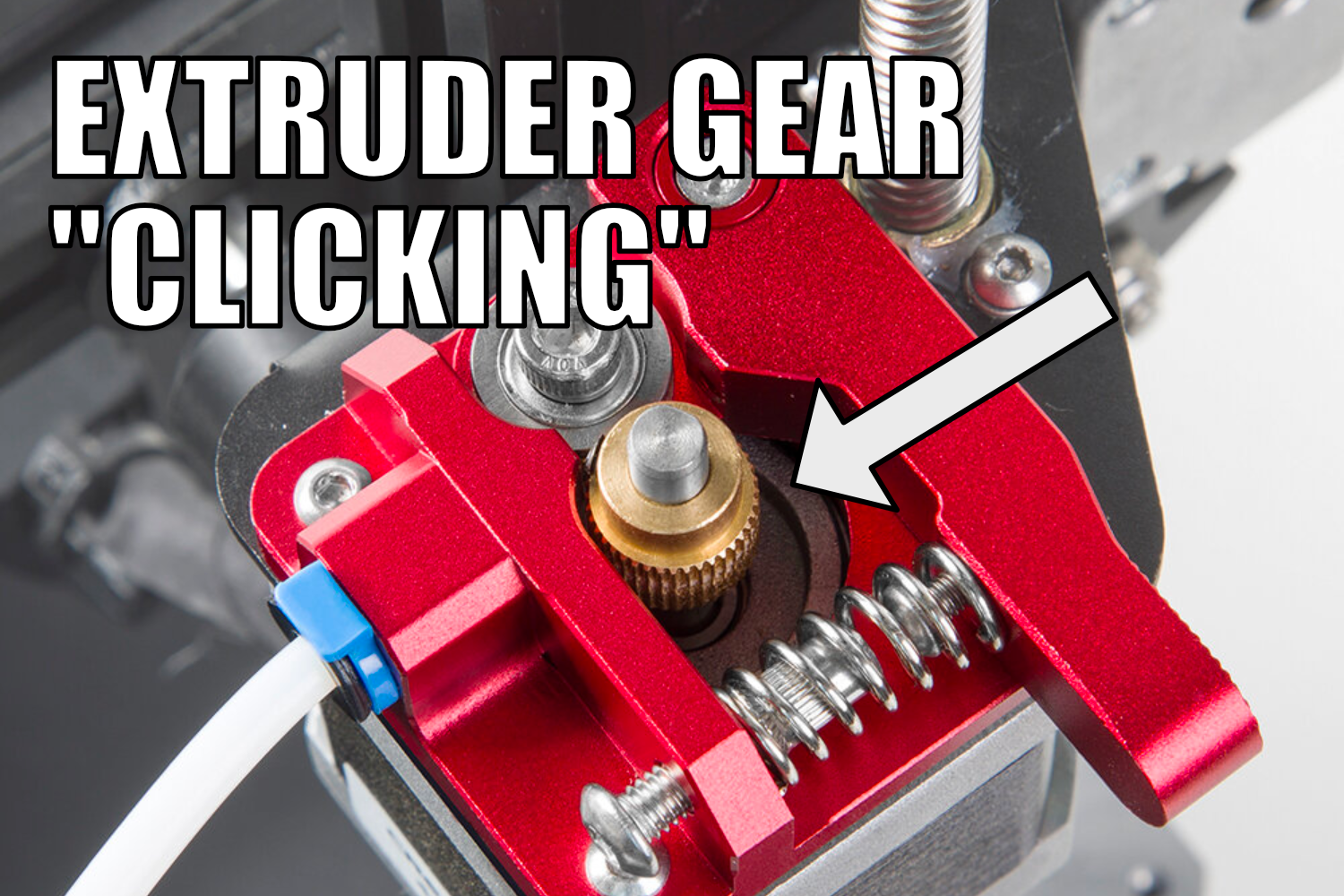
Extruder is tasked with pulling filament and pushing down hotend. When the force of pressure is not sufficient or the gear is caught in the plastic dust, the filament will be eroded at the contact position rather than pushed away.
The signature is a regular clararch in extruder. This is an extruder status that slips one of the direct causes of a mid-final loss.
Adjusting the spring force, cleaning the gears, and reducing printing speed are effective fixes.
Three. Out of plastic or broken filament roll

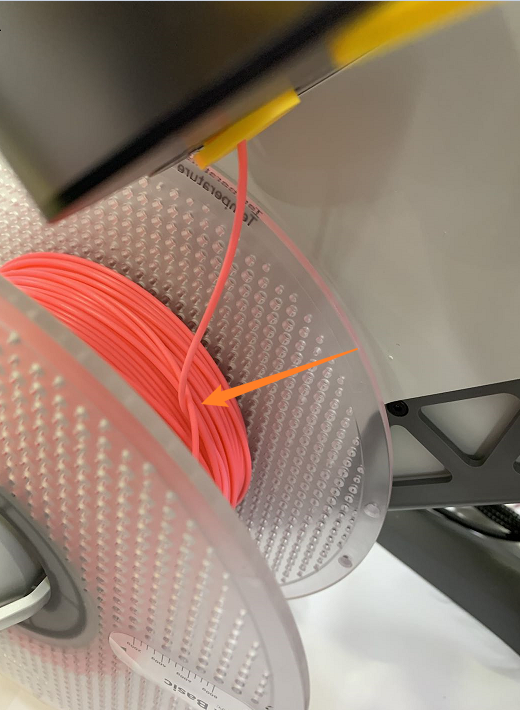

The 3D printer does not come out of plastic in between sometimes simply due to the end of filament. If the machine doesn't have all the plastic sensors, the system continues to run but has no material to use.
Filament is confused in roll or non-smoking handles also create the barrier that makes extruder unable to pull the plastic down.
The installation of the filament sensor runout and check the roll before printing the large model is effective prevention solution.
Four. Print temperature unstable
The temperatures are too low so the plastic doesn't melt completely, which creates great pressure inside the heat chamber. In contrast, too high temperatures can cause the plastic to decay and recomposing.
If the thromboctor or helter cartridge works unstablely, the oscillation temperature will interrupt the flow. You should track the thermal charts and perform the regular PID tuning to ensure the temperature system is stable.
Five. PTFE pipe leaks in the Bowden system


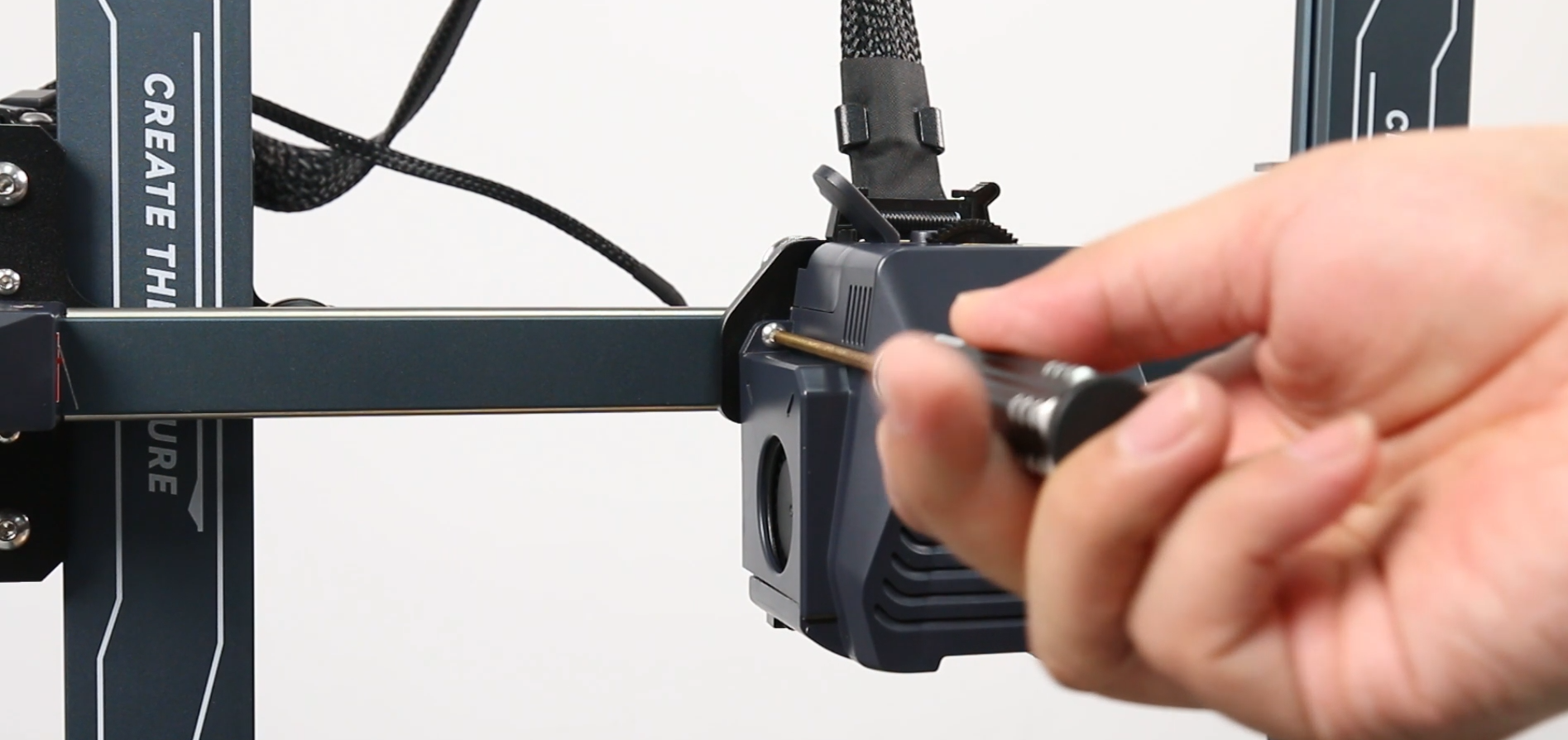
The gap between the PTFE tube and no GHS facilitates melting plastic to accumulate and freeze. As time went on, this plastic block grew and blocked each wave, leading to the process of forcing the kimono to be stopped in the middle.
To make sure that the PTFE tube is right angled and the plugging is very important to avoid this error.
Six. Wrong refactation and flow output settings
Retraction is too large for filament to be pulled up from the hot and frozen area in the head. After repeated withdrawals, the plastic can be interrupted.
Flow rate too low causes lack of plastic, while flow too high creates high pressure that causes extruder to slide. Calibration extrusion multiprisinger using the cube test helps the Jabber system stabilize.
Check sequence on error
When you discover that a 3D printer does not have a middle plastic, you should check the turn from simple to complex causes. First determine if the filament remains sufficient. Then observe extruder whether or not to slide. Next check nods and temperatures. If you haven't been identified, remove the hotend to check the PTFE and inside the heat chamber.
Systemic testing helps you save time and avoid unnecessary replacements.
Way to avoid the error forced to pause
Hotend and extruder maintenance are key elements. Use of high-quality filament helps restrict the nod-nosing complex. Set the right temperature recommended by the manufacturer and avoid printing at too high a speed compared to the melting capacity of the material.
In addition, tracking the print for the first 30 minutes and routine examinations with long print will help to detect early substrusion phenomena before it becomes serious.
Conclusion
Error the process of forcing the kimono to be stopped between is the common incident in the 3D FDM printer failure group and can derive from various elements such as the noMD rule, extruder slides, temperatures unstable or the PTFE tube are exposed.
Understanding the operating mechanism of the extrusion system will help you to process quickly and prevent recurring. When properly maintained and established, the Zoho system will function stablely, ensuring quality of print and material savings.
If you are experiencing a 3D FDD printer error or a depth test of the domino pressure system, the technical team DETSA Be willing to assist with quick counseling and processing, enabling you to optimize the long-term 3D performance.