Find out how to fix the Voight Error When In 3D Effects
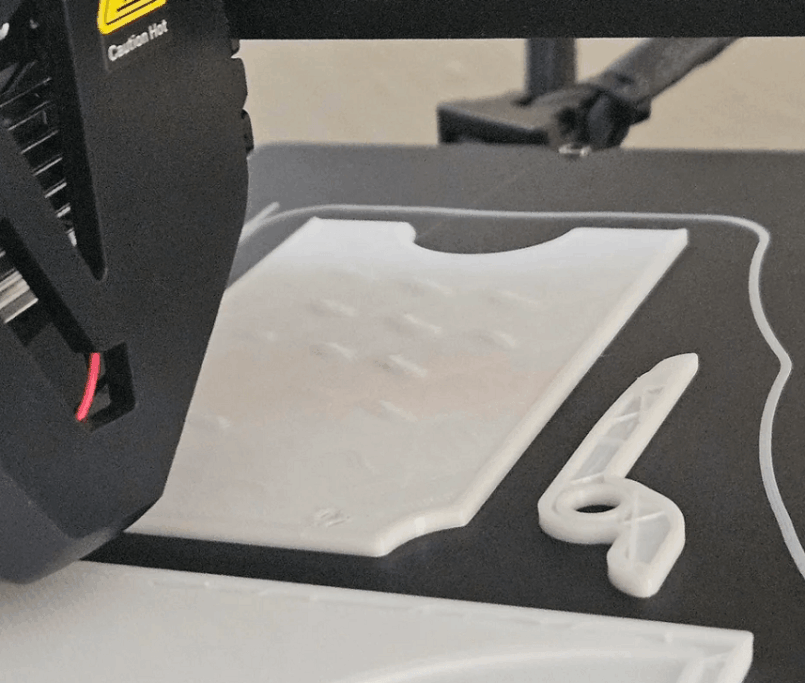
In 3D FDM printing technology, the first class decided directly to the success of the entire print. If the bottom layer is in trouble, the upper layer, which is properly established, is hard to achieve the desired quality. One of the most common errors associated with the area is the elephant leg phenomenon, or the base portion of the model that is more enlarged than the design size. There are also incidents such as the bedless head layer, which appear to be gaping between plastic lines or wrinkled bottom surfaces and non-consistencies. Understanding the mechanisms that form these errors will help users to control better print and optimize the performance of 3D printers.
What is it?

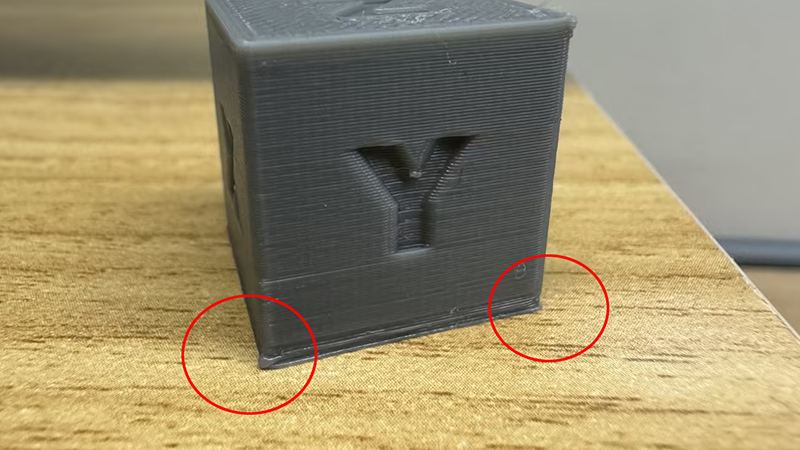
Elphrant's Foot error occurs when the first layers are compressed and spread out compared to the original CAD design size. The base of the detail therefore tends to form rafts, forming a thin edge around the model. Physically, this happened due to plastic in the first class still soft while under pressure from the upper layers. When the printing bed temperature is set high to increase the grip, the material will remain more flexible. The weight of the entire upper structure pressed to the bottom, causing the material to be pushed to either side rather than retaining the original form.
This phenomenon is particularly noticeable in mechanical details requiring high accuracy at the base, such as the assembly block or the track slide detail. A few tenths of a millimeter error can also make the product dissonant when assembled. So elephant leg error is not just a matter of aesthetics but also a technical error affecting the function.
Cause of the Voight Error When In 3D
ZOffset's Photos and Space NoMDF
Zoffset is the parameters that determine the distance between the spray head and the print bed at the start of the print. If the gap was too small, the first plastic layer would be overcompressed, increasing the area of exposure and causing an amplification. As nozard is closer to the printing bed than needed, the material has no space to shape in height should be forced to spread to either side. On the other hand, if it is too high, plastic will not cling to the surface, creating fragmented print lines and appearing between filament fibers.
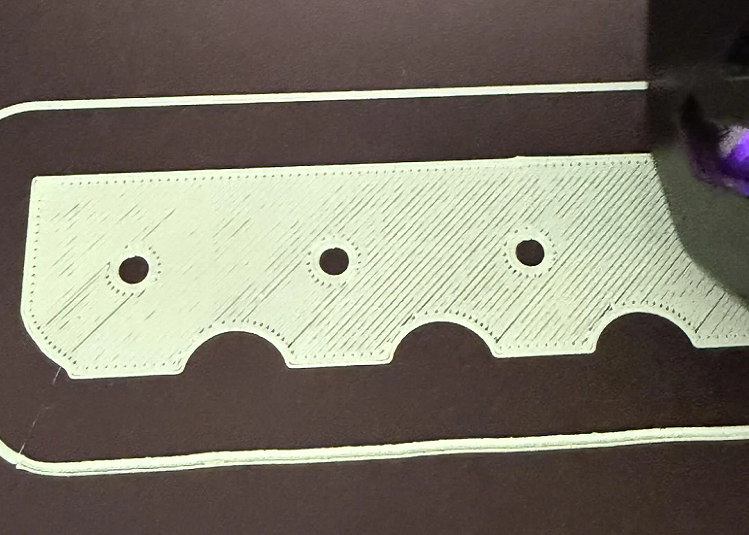
The adjustment of Zoffset needs to be done accurately and controlled. Viewing the first layer directly when printing is the most effective method. The ideal printing class had to form a flat surface, the plastic lines were in sync with each other but were not pressed to the point of losing the original rounding form.
Heat In and Heating
Print bed temperature has the role of maintaining the grip between materials and print surfaces. However, when temperatures exceed the recommendations of the material, the first plastic layer will remain softer than normal. In this condition, just a small pressure from the upper layers is enough to disfigure the base. For the PLA, the common temperature is usually within 5565°C. If the setting is much higher without specific reason, the risk of an elephant's leg rising significantly.
In addition, the temperature difference between the surrounding environment and the printing bed also affects the cooling process of the first layer. When the environment is too cold, the material contractes inconsistencies, causing internal effects and resulting in the bottom edge variation.
Incorrect Instrument
The printing bed is not flat or properly adjusted will create an uneven gap between nod and the surface. In higher areas of bed, the plastic layer is more pressed and is more likely to occur across the raft. In lower areas, the plastic is not pressed enough to hold on. This disparity makes the base is dissimilar in thickness and shape.
Even with the foto bedholm system, the routine mechanical test remains necessary to ensure that the print bed is not bent or loosely fixed. The mechanical accuracy of the machine frame also directly affects the first class quality.
Print Mode of the Head Class and Save Mode
The speed of printing was too high for the plastic to have enough time to contact and transmit heat to the printing bed, reducing the grip. At the same time, if the Zombrex provides more material than necessary, the first layer will be thick and easily pressed out. On the other hand, if low circulation, the print lines do not bind completely and create gaps.
The edit of the Pythagorean Esteps step and the test of the flow factor is an important step to ensure that the amount of physical material is consistent with the setting in the slicer. When the amoeba system is accurately shown, the base layer will have a stable thickness and the right size.
"Resolve of Engineering to Restore Voal Foot Errors and Class Errors".
To thoroughly process the bottom-end incident of the 3D print, the combination needed to adjust both hardware and software. First, lighten the print bed temperature for the optimization of the material rather than the maximum. Then adjust Zoffset higher than a small amount to reduce pressure to the first class. In the slicer software, many modern systems provide Elphorant Foot Compensation, allowing slight reduction in the base class size to compensate for thermal expansion. However, this should only be the final refinement after optimizing mechanical elements.
In addition, printing a thin layer test pattern over the entire area of the print bed will help to assess the copperness of the first class. Observe the link between the plastic lines, flatness and surface shadow are the most intuitive way to determine the accuracy of the current setting.
Elevation of Layer to Raise Print Quality Error 3D
Good control of the base not only helps to remove the elephant leg problem phenomenon but also improves the entire print structure. As the first layer holds and has the correct size, the upper layers will be built on stable platforms, reducing vibrations and mismatchs. This is especially important in producing mechanical details, stereotypes, or commercial products that require strong tolerance.
In the professional operating environment, the establishment of separate print profiles for each type of filament and each line is an effective method for maintaining stability. Records of temperature, speed, and Zoffset optimums help save revised time on subsequent printings. At the same time, maintaining a printing bed and a routine mechanical test will reduce the risk of an unwanted error.
The bottom incident in 3D printing, especially the elephant's leg error phenomenon, is not a serious error but has a direct impact on the precision of the product, the ability to assemble and the aesthetics of the product. The cause usually stems from the unregulated setting of Zoffset, the unopposed print bed temperature, the rate of the head class being too high or the system of amphibians was not properly standardized. Understanding the mechanism of the error formation and making systematic adjustments, users are fully able to control the effective base and enhance the overall quality of print.
The optimization of the first class not only helped limit elephant leg phenomena but also created stable platforms for the entire printing process. In the professional engineering environment, good control of the base means reducing the error rate, saving materials and ensuring mechanical precision for the final product.
If you're looking for a 3D printer solution, quality print material or deep technical advice to optimize print, the engineering team at DETSA Always ready to assist. The proper equipment and standard settings from the start will help your 3-D printing process stabilize, more efficient and sustainable in the long term.