Is it possible to print 3D with Silicone? All Things to Know
Did you know that it's possible 3D medical devices, bags, cover buttons when handling, clamp soft robots softics grippers, textile materials and more — không cần dùng đến phương pháp đúc hay khuôn — mà sử dụng silicone silicone form polymer?
Silicone appears everywhere: flexible, thermally fine and safe when exposed to food as well as skin. However, the question is: Can 3D printer print silicone?
The short answer is: C Yeah..
But reality is not as simple as loading materials into the filament roll and pressing printing. A lot of engineers, developers and technologists are investing in this material to create the custom, pattern and prototype pxote.
In this article, we'll find out:
- Ways in 3D with silicone How to Work
- Why silicone Printing More difficult than ABS or PLA
- And the silicone printing technology is available on the market
Let's explore now!
Can 3D silicone print?
It's perfectly possible to print 3D with silicone. However, this requires special deviceYeah. This article is a comprehensive guide on 3D silicone printing, including the Challenge, process, alternative solution and the way the printing technology builds additive manufuturing combined with traditional silicone manufacturing methods. One of the latest developments in 3D printing is the emergence of technology allowing use silicone as print material.
Most regular 3D printers cannot handle real silicone. The cause is silicone. It's not melting like plastic.Yeah. Silicone has It's very high., making printing accurate difficult.
Besides, this is the material. close slow snakeIt takes pressure and temperatures controlled to shape. This means you Cannot use normal FDM printer to print silicone.
But why do traditional 3D printers not work?
SLA and FDM printers were designed to Soften and coolen plastic Like ABS, PLA and resin. Meanwhile, silicone does not melt It's... closed with heat or chemical reactionsYeah. silicone's Solidity Possible block normal spray tipsIts process requires special control conditions.
So if you're wondering if maybe print 3D silicone with his current printer or notWell, the answer is, none — trừ khi bạn thực hiện các Upgrade, Large Edit or invest one. New Machine System.
The growth of the market and the growing demand for 3D silicone printing technology has driven much innovation and innovation, helping the special solution More common and more accessible.
Why is it difficult to print 3D silicone?
The printing of 3D silicone is difficult because of this material Unlike common plasticYeah. Silicone features sticky and denseDon't melt and freeze like ABS or PLA. Instead, it starts in form. liquid và close the snake over time through heat or UV rays. This creates two big issues:
- High pitch: Silicone is too dense, making most spraying difficult to process
- Close slow snake: It takes pressure, time, or light to determine correctly
So the regular SLA or FDM printers can't handle 3D silicone printing.
Besides, the standard extruder kits are also inappropriate. FMD printer operated by heats the plastic heat and pushes through the tip of the spray..
In the meantime, silicone asks again for a The system is completely different.It's possible. creating pressure and control of snake closingYeah. silicone printing on a common printer is like Trying to squeeze the toothpaste through a coffee-mover..
Comparison: Silicone vs common print materials
| Properties | Silicone | PLA / ABS |
|---|---|---|
| Textau configuration | The liquid is like ice cream. | Filament Snakes |
| Print Method Method | With pressure + closes the snake | Hot salt. |
| Curing Snake Closes | Heat or UV | Cooled to freeze |
| Solid Condensation Engine | Chemistry / Heat Response | Freeze when cold |
Current 3D silicone Printing Technology
Although conventional 3D printing technologies such as FDM, SLS and SLA do not fit directly with silicone, there are now special processes and technologies developed separately for printing this 3D material. So how are experts handling this problem?
There are two main methods to perform 3D silicone printing. Each method has its own strengths and weaknesses, and choice depends on the purpose of use as well as the kind of product you want to create.
1. Direct Ink Writing DIW / Liquid Additive Drumfatricing LAM
Direct Ink Writing DIW or Liquid Additative Drumfaruting LAM is the most popular method in modern 3D silicone printing systems. In this way, the printer will be liquidized through the spray tip like a syringe, then the material will be solidized soon after printing in heat or UV beam. This method for high precision, in accordance with soft and flexible details, is particularly ideal for applications such as wear, medical, or technical equipment. However, it requires that the environment be strictly controlled, materials must be compatible with the machine and the investment costs are quite high. This technology is often used by medical equipment manufacturers, engineering teams and soft robotic development labs.
2. Force silicone print binding 3D
If you don't have the funding to invest the silicone printer specialised, there is still an effective alternative. First, you print 3D a material cast, such as PLA or ABS, then pour silicone loose into the mold and wait for the material to be completely solid-created. This is a popular method by lower cost, easy to perform with conventional FDM printers and appropriate for modeling or small volume production.
silicone application in 3D
Did you know that silicone in 3D is fully possible to be used to create real productsWhat? And now, its application is now. increasing rapidly in various fields.
Let's get this straight.
Medical equipment
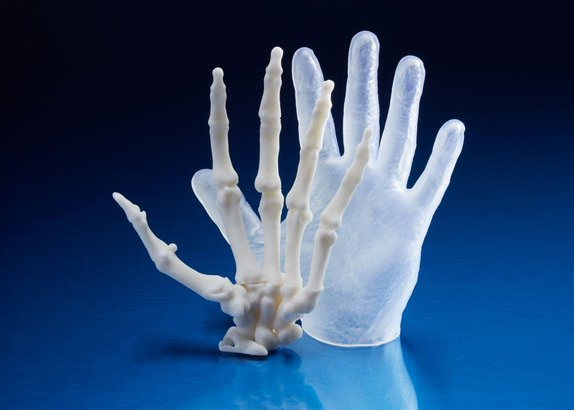
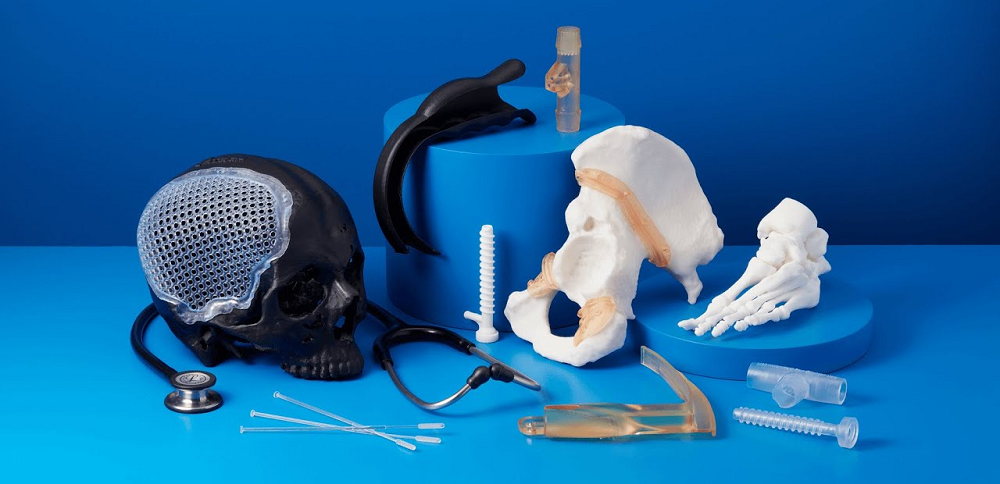
Silicone is safe when exposed to skin and body. This makes it the ideal material for custom medical devices like Soft tissue implants, hearing pads and orthotics custom design tools.
Sports Technology Devices
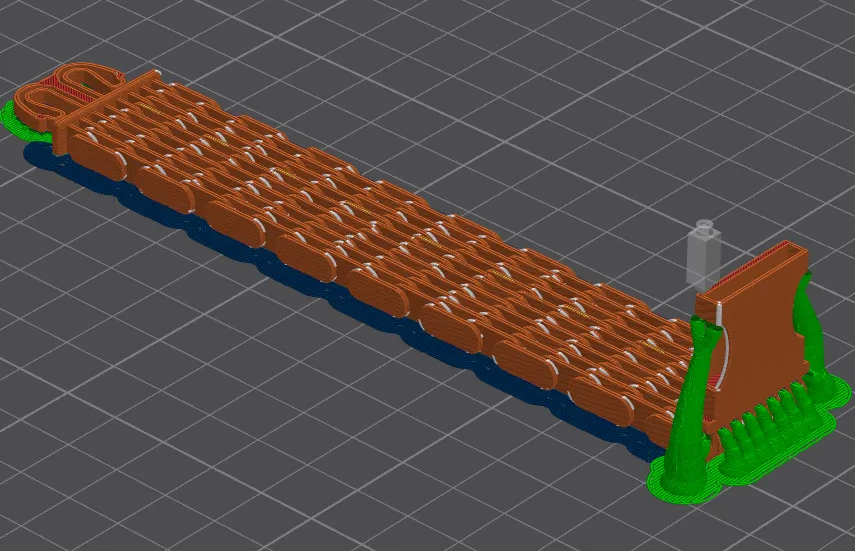
You are searching for a material flexible, skin-friendlyWhat? Silicone is the right choice. Formlabs introduced Silicone 40A ResinAllow me. 3D printing direct soft, safe details for the skin Like smart watches, custom earpieces and physical tracking cover.
Soft Soft Robot SoftState
The main element of flexibility is the core of soft robots. Lynxter developed advanced processes for production Soft compression gas carrier SoftLockmatic actuators using 3D silicone printing technology. Also, you can create clamps for fragile objects or flexible motion products like toys.
Besides, in the field of engineering and industry, details such as Asbestos, Gaskets buffers, heat coating and custom sequester is increasingly produced by 3D silicone printing. These departments need to cope. Heat, pressure, and motionAnd silicone is the most fully met material required of us.
Composite Table: When silicone in 3D takes the advantage
| Area | Applications | Highlights Properties |
|---|---|---|
| Medical equipment | Soft transplants, ear molds, shape corrections | Safety for Skin, High Customs |
| Wearables | Ties, ear tips | Soft, friendly skin |
| Soft Robot | Ottawa, actuator | Sensitation, Good Recovery |
| Industrial | Gaskets, gasket, hypothermia | Take it easy. High pressure. |
silicone alternative material in 3D printing
There are many materials that can replace silicone in 3D printing. TPU, TPE and Flex PLA These are popular options when you can't use silicone:
TPU Thermoplastic Polyurethane:
This is the material. plastic, sustainable and compatible with many conventional FDM printers. You can easily create products like Asbestos, phones, or accessoriesYeah. TPU is The most common silicone alternative in 3D printing.
TPE Thermoplastic Elastomer:
Similar TPU but SofterIt's fitting for details. The handle, grip or disfigured partsYeah. This material has the oscillation and the ability to handle the hit well.
Flex PLA:
As a combination of conventional PLA and plastic-general additives, Print is easier than TPU or TPEYeah. However, this material remains Stronger and less greek compared to the top two.
| Replace materials | Visibility | Hard to Print | Applications |
|---|---|---|---|
| TPU | High | Average | Devices, Multi-Presidents |
| TPE | High | Average | The handle, the shield. |
| Flex PLA | Average | D Huh? | Toys, flexible selling details |
Full can print 3D with silicone, however this requires the right equipment and technology.
Normal SLA or FDM Printers cannot handle real silicone Due to non-creating properties and the need for special solid-creation process. Instead, you need special systems like Liquid Additive Drumfaruting LAM either Direct Ink Writing DIW to print this material directly.
However, with common users or small businesses, the solution 3D print and dump silicone Still an effective choice, cost-saving and easy to deploy. This method allows you to make the most of the existing printer that still produces quality silicone products.
DETSA 3D Printing Solution and silicone optimum application for all your needs. Contact immediately for detailed consultation!