What's In 3D Technology? Search for the Upsize Points and the 3D Print Range
What is 3D printing technology?
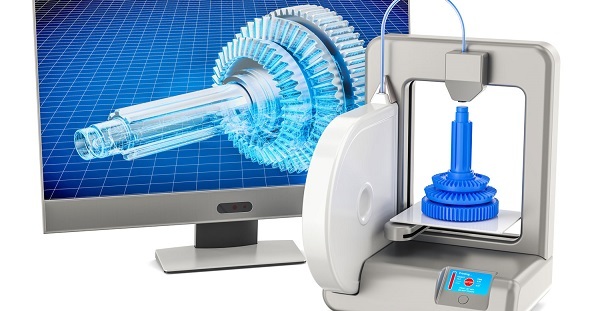
The 3D 3D Printing printing technology is a three-dimensional production method based on the digital design model. Instead of being fair by cutting or traditional cast, in 3D create product shape through build layer by layer of thin material in sequence.
As a result of this feature, 3D printing technology allows for quick, flexible production in accordance with the need to use and easily adjust design without changing the complex production process.
Application of 3D Printing Technology
Applications in Industrial Productions
In the industry, 3D printing is used to make the components, machine details, prototypes and products as required. This technology helps to reduce production development time, reduce production costs and enhance performance efficiency, especially in industries such as mechanics, electronics, automobiles.
Applications in Health and Dentals
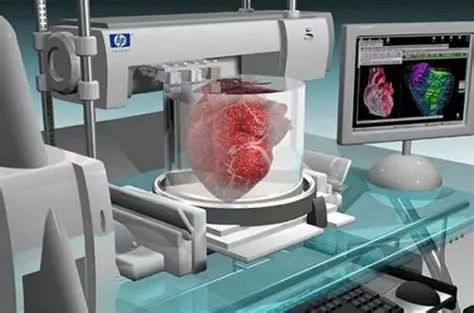
The 3D printing plays an important role in the production of surgical models, medical instruments, false teeth, proper trays and treatment aid equipment. Personalization of products by individual patients helps to enhance the accuracy and effectiveness of health care.
Applications in Automotives
Car industry uses 3D printing to design prototypes, build parts and optimize product structures. This helps reduce research and development costs, while increasing flexibility in design.
Applications in Construction
In architecture, 3D printing technology is used to create models, tables and experimental structures, making it easy for the architect to present ideas and evaluate design options.
Applications in Food Fields
In 3D Food allows for the form of candy, the food as required, contributes to increased creativity and personalization of the food experience.
Advantage and weakness of 3D printing technology
Advantage
Allow rapid production of complex structured products
Matches the production of small and personal numbers
Less Waste of Materials Compared to Traditional Methods
Easy edit design via Digital File
Don't need the template, save costs in the test phase
Disabilities
The speed is not optimum when mass production
Machine investment costs and materials are still high
The surface quality and duability of some products are not yet equal to traditional technology
Require technical knowledge and 3D design skills
Current 3D Printing Technology

FDM Technology
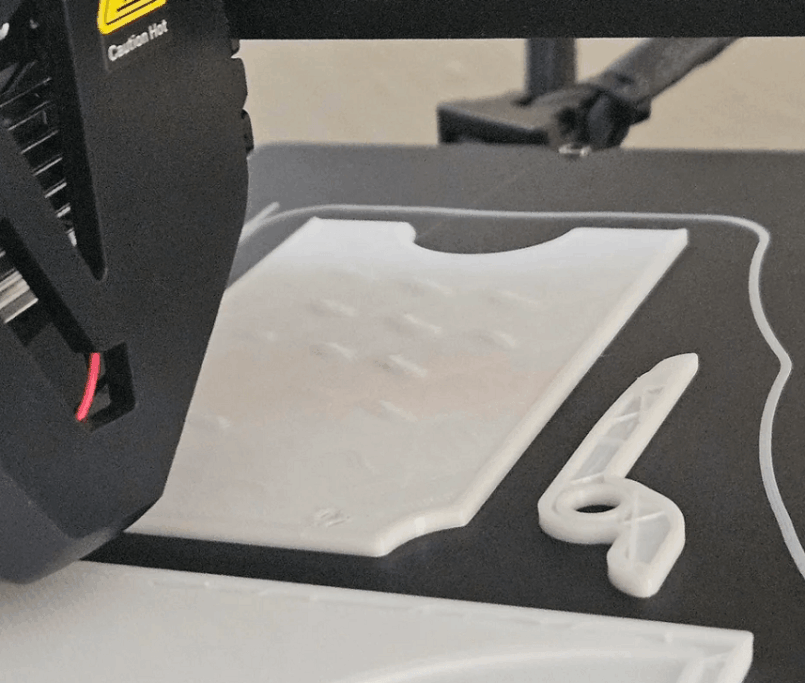
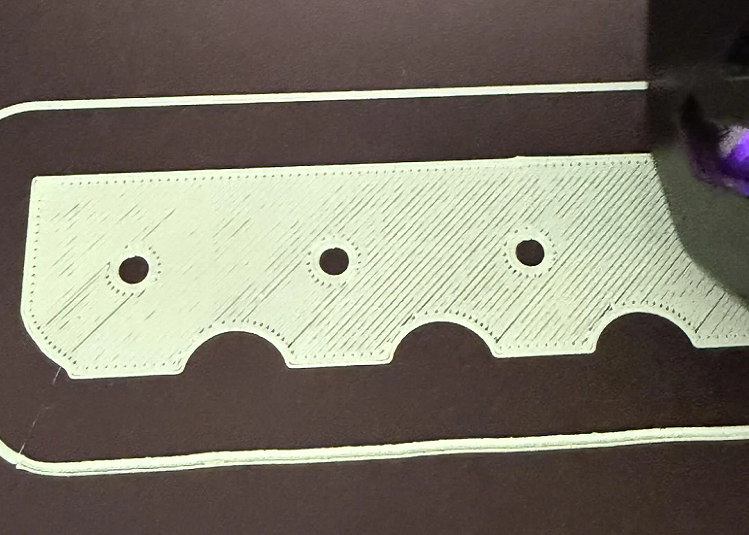
FDM uses the thermal plastic fiber that is melted and the ink through the print head to form layers. This is a popular technology due to low cost, easy use and suitable for education, family and prototype printing.
SLA Technology
SLA uses lasers to freeze liquid plastic in layers. The product produces high levels of detail, smooth surfaces, suitable for dentistry, jewelry, and technical models.
DLP Technology
DLP is similar to SLA but uses digital light to process the entire layer of materials at the same time, helping to speed up printing.
SLS Technology
SLS uses lasers to melt material powders such as plastic or metal. The big advantage is that there is no need for material to support and for high sustainability products.
SLM and EBM Technology
These two technologies are primarily used for metal printing, creating products of durability and high precision, often applied in high aviation, medical, and industry.
Basic 3D Printing Process
The 3D printing process usually includes the following main steps:
Step 1: Model 3D Design using Special Software
Step 2: Convert the design file to the appropriate format and process of CT
Step 3: Select materials and print parameters settings
Step 4: Proceed to print the product according to programming data
Step 5: Treat and complete the product after printing
3D Printers and Printing Materials
The 3D printer is currently divided into various categories such as home printer, professional printer, and industrial printer. Each type of machine is consistent with the purpose of using and the scale of production differently.
The 3D printing material is also very diverse, including PLA plastic, ABS, PETG, Nylon and metals such as aluminum, stainless steel, titanium. The selection of suitable materials will directly affect the quality and features of the product.
Why is 3D printing technology considered the technology of the future?
The 3D printing technology brings personalization of the product, cost-saving, spurring creation and reducing resource waste. With the ongoing development of technical science, 3D printing is becoming an important part of many industries and promises to continue to thrive in the future.
Conclusion
The 3D printing technology is an important step forward in the field of production and creativity. Understanding the principles, applications, strengths and related technologies will help exploit the potential effects that 3D printing offers, contributing to the development of modern society.