Infill Weak in In 3D: Cause and Revival Effects
During the 3D FMD printing process, infill is one of the most important factors to decide Mechanical durability, Affiliation and Formation of the product. However, many use the word individual to business. infill weak, thin, drag the thread or do not link well, making print details break easily, break the surface or disfigure when used.
This article will analyze The nature of weak infill error, the common causeLet's put it out. optimum solutions in software and print processes, which greatly improves the quality and duability of the 3D print product.
1. What is the Infill in 3D printing and the weak infill stars that have serious effects?
Infill is material structure printed inside details, located between the perimeter outer layers or iTunes. Unlike the aesthetic surface, infill takes over the following core roles:
Link Sheets, help details not be empty or separate classes
Bear and scatter forcesEspecially with technical details.
Raise the upper surface layers, avoid the collapse on top surface sagging
Direct Influence The weight, the printing time, and the consumption of materials
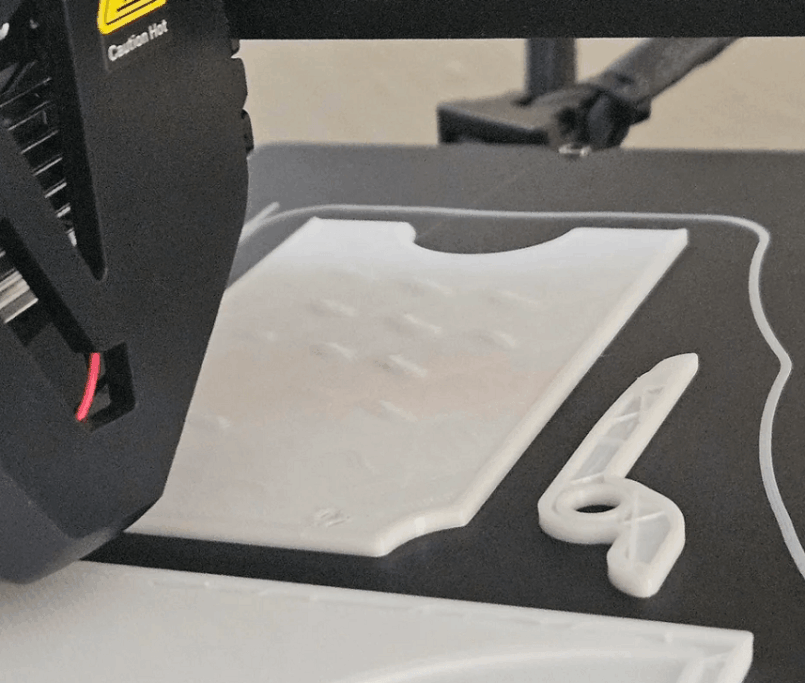
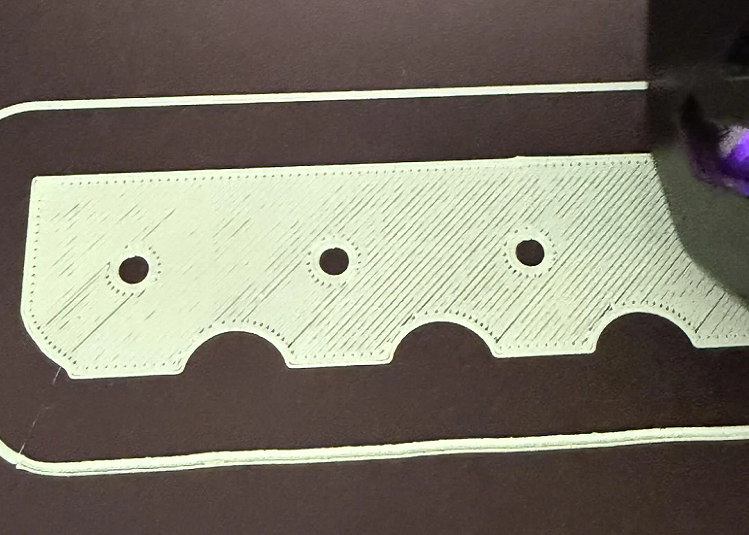
When infill is weakened, the problems often include: Infill piece, break-up, pull the fiber infill lines not attached to each other or into the outer shell
The upper surface is congealed, not flat.
Details are easily broken even if the outer city is intact
Therefore, optimum infill not only helps increase in durabilityAnd yet... Raises stability and life expectancy in 3D.
2. The common cause of infill is weak or unstable
One of the most common causes is that choosing infill style is not compatible with the purpose of the use. Some infill styles were designed to optimize print speed and save materials, but did not ensure the hardness required for technical details. When using these infill styles for the product's endurance, infill is often not strong enough to ensure long-term sustainability.
Infill rate too high is also a direct factor in quality. In many sliging settings, infill is typically printed faster than perimeter. If speed exceeds the plastic level of the head, the lack of plastic occurs. At that time, the infill lines become fragmented, non-intervention and weakly attached, creating the inner structure that is weak and uneven.
Additionally, the width of the amino infill is too small to achieve the necessary certainty. When the infill lines are too small, they are hard to connect to each other and to the outer shell, especially in large print or demanding force. In addition, the non-responsibility of the material also reduces the ability to bind between the infill lines, causing the infill to become crisp and easily cut.
Low infill density is the last but very common cause. With non-expressive details, low infill density is acceptable. However, for technical details, the infill density is too low to create a lot of inner space, making the force not equally distributed and significantly reduced overall duability.
Three. The Infill Remedial Solutions in Effective 3D Printing
To improve the weak infill status, the first choice of the infill type is to match the application of the details. The infill styles have a tight link structure and good force distribution will help increase the product's hardness and stability. The change infill style often results in apparent effects without over-declaring other parameters.
Reduced infill rate is the key solution when a lack of plastic or infill phenomenon occurs. As the speed is reduced, the ottawa head has enough time to stabilize the plastic, helps the infill sugars to be intracted and gripped better. This is especially necessary for high-scale materials or large-sized details.
Amplification for infill is also a very effective method. As the infill lines get thicker, the internal structure will be more sure and the ability to connect between the plastic lines is significantly improved. However, when applied in this way, adjustments infill density is needed to ensure the balance between sustainability, printing time, and the consumption of materials.
In addition, the adjustment of the nodal temperature in accordance with each type of material is an integral factor. The correct printing temperature helps the perfectly melting plastic, increasing the ability to bind between the infill lines and between infill and perimeter, from which has significantly improved the mechanics of the details.
Four. optimum infill to balance durability, print time and material costs
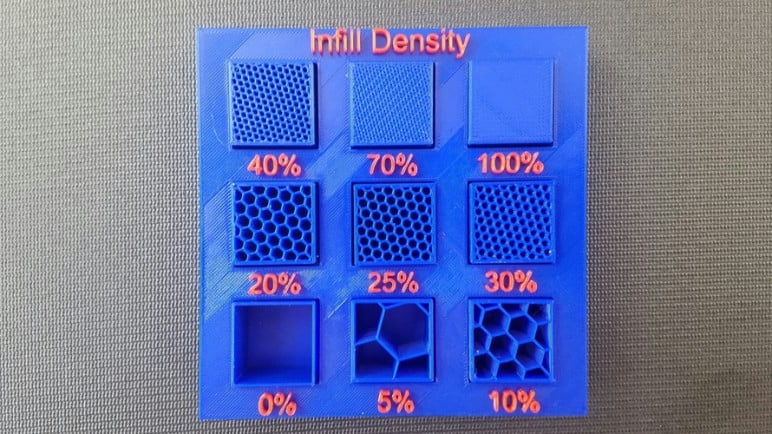
Infill optimum does not mean always increasing infill density to the highest level. An effective infill setting needs to be based on the purpose of the product's use, the requirement to yield and the conditions for practical printing. The logical combination between the infill type, the infill density, the printing speed, the 2.0 and the temperature will help create the solid interior structure that saves time and materials.
When the infill is properly optimized, the 3D print product not only achieves high quality in form but also guarantees sustainability and trust in the practical use. This is especially important for technical, mechanical, and industrial applications.
Infill weakly affects the sustainability and stability of the 3D print product, especially with technical details. The optimization of infill type synchronization, print speed, 2.0 width and temperature will greatly improve the quality and capacity of printing.
With experience deploying 3D printing solutions and scanning 3D for multiple fields, DETSA Supporting optimum print ratings, contributes to the efficiency and trust of products in practical applications.