Cold in In 3D: Cause and Recovery
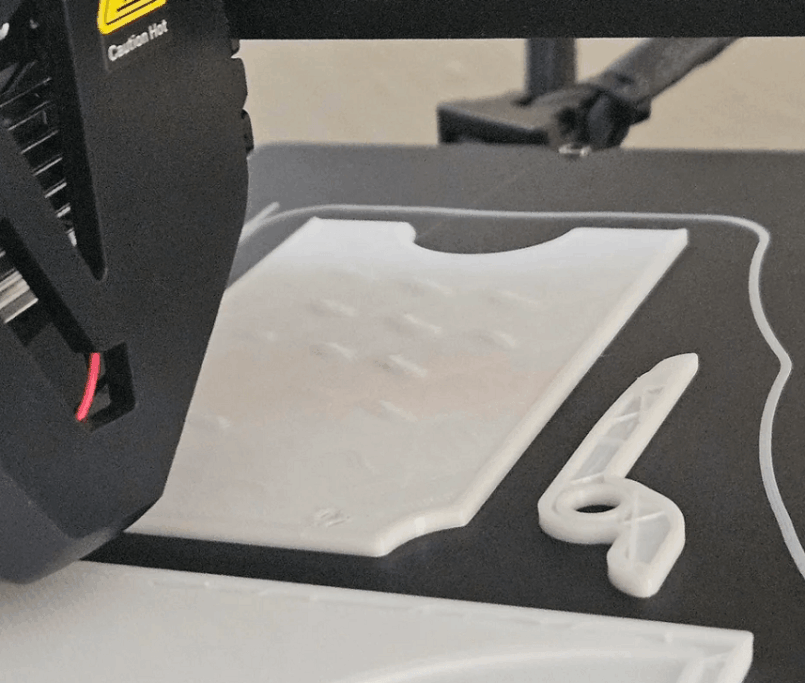
Cold in 3D Printing is one of the most common technical errors used by 3D technology printer FMM. This occurs when filament is not heated enough before passing through the nodial tip, which prevents the plastic from reaching its optimum melting state. As a result, the material process becomes difficult, the plastic line is unstable and the quality of print is significantly affected.
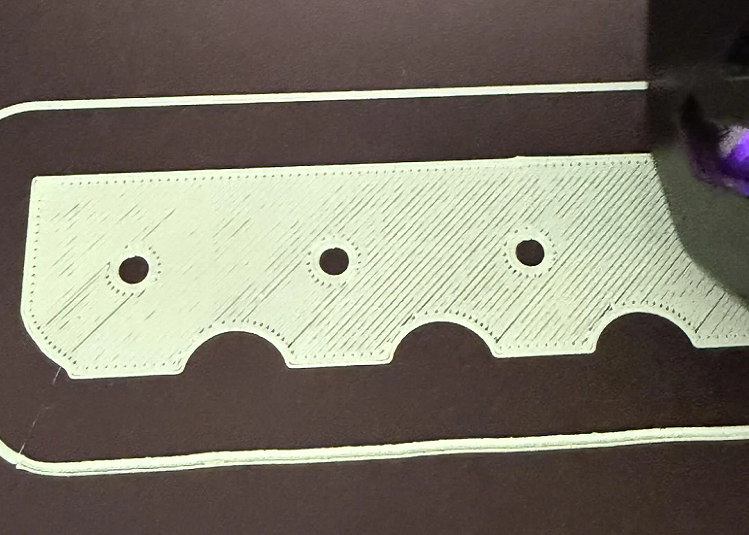
In fact, cold plastic errors can appear in many materials like PLA, PETG, ABS or TPUYeah. When the first spray temperature doesn't fit or the hotend system is unstable, the filament won't fully melt. This leads to issues like Unscheduled plastic layer, poorly stuck layer, surface product twittering or even spraying..
Understood. The cause of cold plastic in 3D printing and effective remedy will help users optimize print parameters, improve product quality and limit technical errors during 3D printing.
What is cold in 3D printing?

Cold in 3D Printing is state The filament wasn't heated enough to reach a state of total melting before being passed through nod.Yeah. In 3D FMD printing technology, the filament material is brought into hotend, where it is heated to melting temperatures. When it reaches the right temperature, the plastic will shift to a semi-subscriptive state and be pushed out to form each layer of printing.
However, if hotend's temperature is too low or filament does not have enough time to absorb heat, the material will remain solid. At that time, extruder had to create greater force to push the filament, causing the plastic flow to be interrupted or not flow. This prevents the printing class from sticking well together and causes many errors on the product surface.
Cold plastic phenomena are often confused with errors Understrusion, because they both make the amount of plastic less than the original design. However, the cause of the frost is primarily related to Temperatures of heat and heat transmission conditions in hotendinstead of the problem of plastic structure.
Significance of cold plastic phenomena
The print surface is damaged and lacking materials
One of the clearest signs of cold plastic is the printing surface that occurs in many areas lacking materials. The uncut plastic layers will create small gaps, causing the product's surface to be rough and uneven.
This phenomenon is particularly visible in the printed outer wall layers, which require stable plastic flow to create smoothness for the surface.
Poor Adhesive Printing Classes
When the plastic is not fully melted, the ability to bind between layers will significantly decrease. This made the print crisp and easy to separate when it was under pressure.
In technical details that require high durability, this phenomenon can significantly reduce the mechanics of the product.
Extruder emits plastic skates
When filament is still hard due to low temperatures, the cogs will have difficulty pushing the plastic down hotend. As a result, the gears may have slipped on the filament fiber and released balch.
This is the sign. The molars aren't enough to get the plastic through., often related to non-creating plastic conditions.
Cause of the cold plastic phenomenon
The first temperature is not enough.
The most common cause of cold plastic is The temperature is no lower than requiredYeah. Each filament has an optimum printing temperature to ensure that the material melts completely.
For example, PLA often needs temperatures around 190210°C, while PETG needs about 220240°C. If the installation temperature is lower than recommended, filament will not reach the ideal state of melting.
In addition, in some cases, the temperature displayed on the machine may not accurately reflect the actual temperature of hotend due to misdirected thermal sensors.
Print speed too high
Printing speed directly affects the time of filament is located in the thermal area of hotend. When the printing rate is too fast, filament will move through hotend too fast and not be able to absorb enough heat.
This causes the material to be only partially hot before being released, causing cold plastic phenomena and reducing the stability of the plastic line.
The hotend system transmits heat poorly.
Hotend is an important part of a 3D printer, which includes many components such as helter Cartridge, thalmer and heat block. If one of these departments is unstable, the transfer of heat to filament will be affected.
For example, helter cartridge is weak or thromor reading the temperature incorrectly can prevent hotend from reaching the temperature needed.
Cooling moth affects hotend temperature
The cooling base is tasked with cooling the plastic after being released. However, if the wind current from the fan blows directly into hotend, it can reduce the temperature of the spray head.
At that time, filament can be cooled before fully melting, leading to cold plastic phenomena.
How to fix cold plastic phenomena in 3D printing
Fit nod temperature
The simplest and most effective solution is to adjust the temperature of the spray head. Increase temperature around 510°C compared to the original setting that can help the filament melt more completely.
However, we need to avoid increasing temperatures too high because this could cause other errors like pull the stringing plastic fiber or overflow.
Exclusive print speed
Reduced print speed helps filament have more time to absorb heat in hotend. With common materials such as PLA or PETG, the speed of printing is around 4060 mm/s often results in stability.
When printing small details or having many complex details, reducing printing speed also improves the accuracy of the print.
Check and maintain hotend

The hotend routine test helps ensure that the thermal system functions. Users should check out parts such as helter cartridge, thromctor and nods to detect early damaged signs.
In some cases, the plastic-homped nod can also hinder the flow of filament and make the plastic process more difficult.
Edit the cooling system
If the coolant fan blows directly into hotend, users can adjust wind direction or reduce fan speed in early printing layers. This helps maintain stable temperatures in hotend's thermal area.
The importance of controlling the temperature in 3D printing
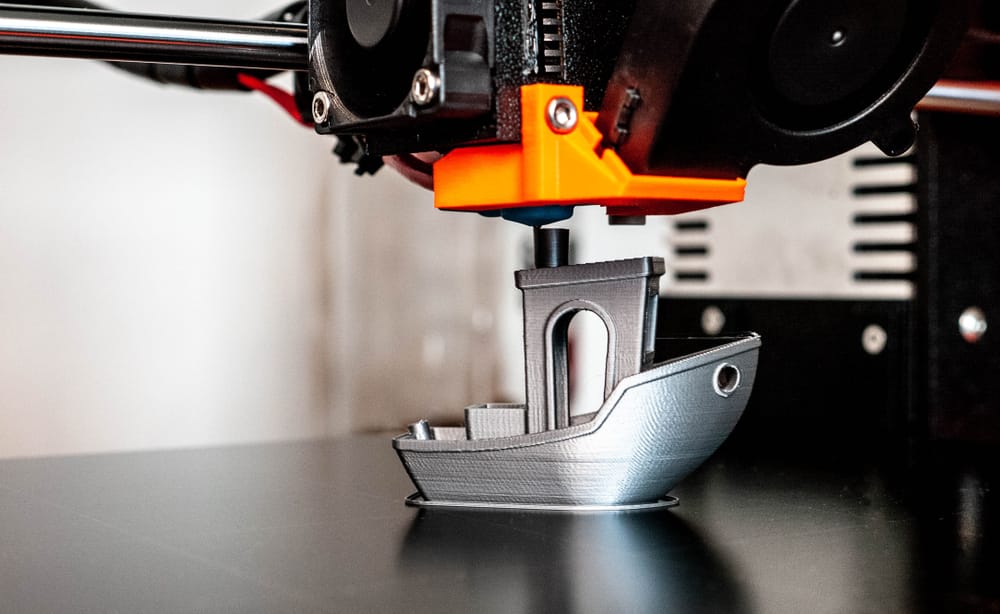
In 3D FDM printing technology, temperatures are the determining factor the stability of the plastic line and the associated quality between the printing layersYeah. When the temperature is well controlled, the filament will melt evenly and cling firmly to the previous class.
In contrast, if filament does not reach optimum temperatures, the printing classes will not stick well, reducing the mechanics of the product. This is especially important for technical details to be subjected to or used in the actual working environment.
The optimization of the temperature not only improves the quality of print but also reduces the risk of nod, extends the life span of hotend and enhances the performance of 3D printers.
Conclusion
Icons cold plastic in 3D printing is a common technical error when the filament temperature has not reached optimum melting levels. Causes may come from many factors such as the prespiratorial temperatures are too low, the printing speed is too high, the hotend system is unstable or the cooling wind is affecting the heating process.
To fix efficiency, users need to test and adjust critical parameters such as Nobud temperature, print speed and cooling systemYeah. When these factors are optimized, the plastic level process will be more stable, helping to produce smooth surface prints, high sustainability, and better accuracy.